Sugar is often treated as a single villain, but not all sugars behave the same way in the body. For people who value mental clarity, energy control, and long sessions of focus—such as sports bettors, casino analysts, or live-game watchers—the type of sugar consumed can matter. Understanding how different sugars work helps you make smarter dietary decisions without relying on marketing myths.
What Sugar Actually Is
At a basic level, sugar is a carbohydrate that provides energy. Chemically, most sugars are combinations of glucose and fructose. The difference lies in how quickly they are absorbed, how they affect blood sugar, and what else comes with them nutritionally.
The body does not recognize “natural” or “refined” labels—it responds to molecular structure, digestion speed, and overall context in the diet.
Glucose vs Fructose: Key Differences
Glucose is the body’s preferred energy source. It enters the bloodstream quickly and raises blood sugar levels. Fructose is processed almost entirely in the liver and does not raise blood sugar directly, but excess intake is linked to metabolic stress.
Why This Distinction Matters
Rapid glucose spikes can cause energy crashes, while excess fructose may strain liver function over time. Neither is inherently good or bad; problems arise from quantity, frequency, and lack of balance.
Most common sugars contain both glucose and fructose in varying ratios.
Natural Sugars vs Added Sugars
Sugars found naturally in whole foods come packaged with fiber, vitamins, and minerals. Added sugars are isolated and concentrated, providing calories without meaningful nutrients.
This distinction is critical for long-term energy stability and cognitive performance.
Examples include:
- natural sugars in fruit paired with fiber
- added sugars in sodas, candies, and sweetened snacks
Fiber slows digestion, reducing blood sugar spikes and improving satiety.
Popular Sugar Types Explained
Many sugars are marketed as “healthier,” but the differences are often overstated.
Honey
Honey contains trace antioxidants and minerals, but nutritionally it behaves similarly to table sugar. It still raises blood sugar and should be consumed in moderation.
Maple Syrup
Maple syrup provides small amounts of zinc and manganese. However, from an energy and metabolic standpoint, it is still primarily sugar.
Coconut Sugar
Coconut sugar is often praised for a lower glycemic index, but the difference is modest. It remains high in calories and carbohydrates.
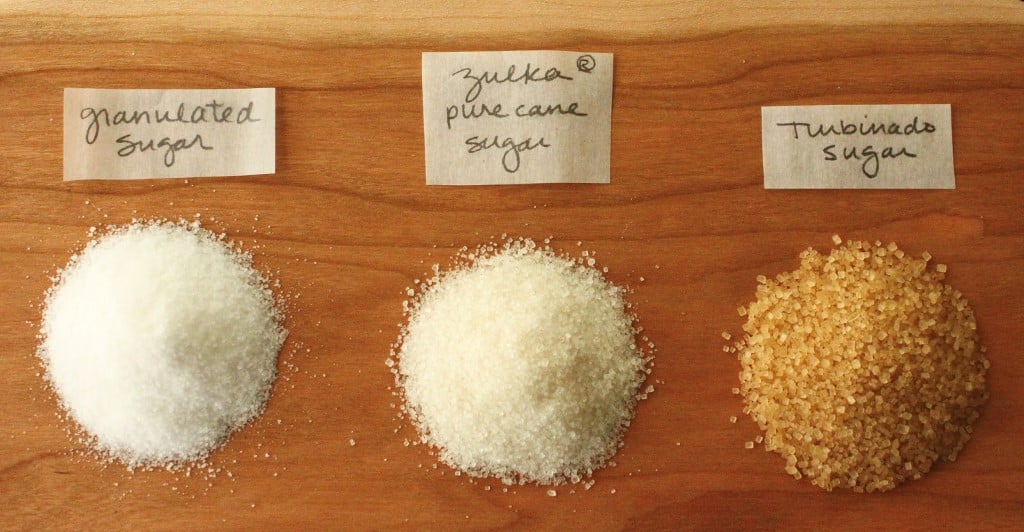
White and Brown Sugar
Brown sugar is simply white sugar with molasses added back. Nutritionally, the difference is negligible.
Glycemic Index and Energy Control
The glycemic index (GI) measures how quickly a food raises blood sugar. Lower-GI sugars cause slower rises, which can help maintain steadier energy levels.
However, GI alone does not determine health impact. Portion size and overall diet quality matter more.
For people spending hours analyzing odds or tracking live games, avoiding sharp glucose spikes helps maintain focus and emotional control.
Artificial Sweeteners vs Real Sugar
Artificial sweeteners provide sweetness without calories, but they come with trade-offs. Some research suggests they may disrupt appetite regulation and gut microbiota.
When Sweeteners Make Sense
They can be useful for reducing total sugar intake, but relying on them excessively may increase cravings for sweet foods rather than eliminate them.
Moderation applies here as well.
How Sugar Affects Mental Performance
Sugar directly influences mood, attention, and impulse control. Short-term glucose boosts can improve alertness, but crashes often follow.
In high-stakes environments like betting or casino play, these crashes may increase impulsive decisions and reduce discipline.
Stable energy comes from balanced meals, not quick sugar hits.
Practical Guidelines for Smarter Sugar Use
Rather than chasing “healthy” sugars, focus on context and total intake.
Key principles include:
- prioritize whole foods with fiber
- limit liquid sugars
- avoid frequent snacking on sweets
This approach supports consistent energy and clearer thinking.
The Bottom Line
Some sugars come with minor nutritional advantages, but no sugar is inherently healthy in large amounts. Natural sugars in whole foods are preferable because they slow absorption and support stable energy. Added sugars—regardless of source—behave similarly in the body.
For sustained focus, emotional control, and long-term performance, moderation and context matter far more than choosing one type of sugar over another.